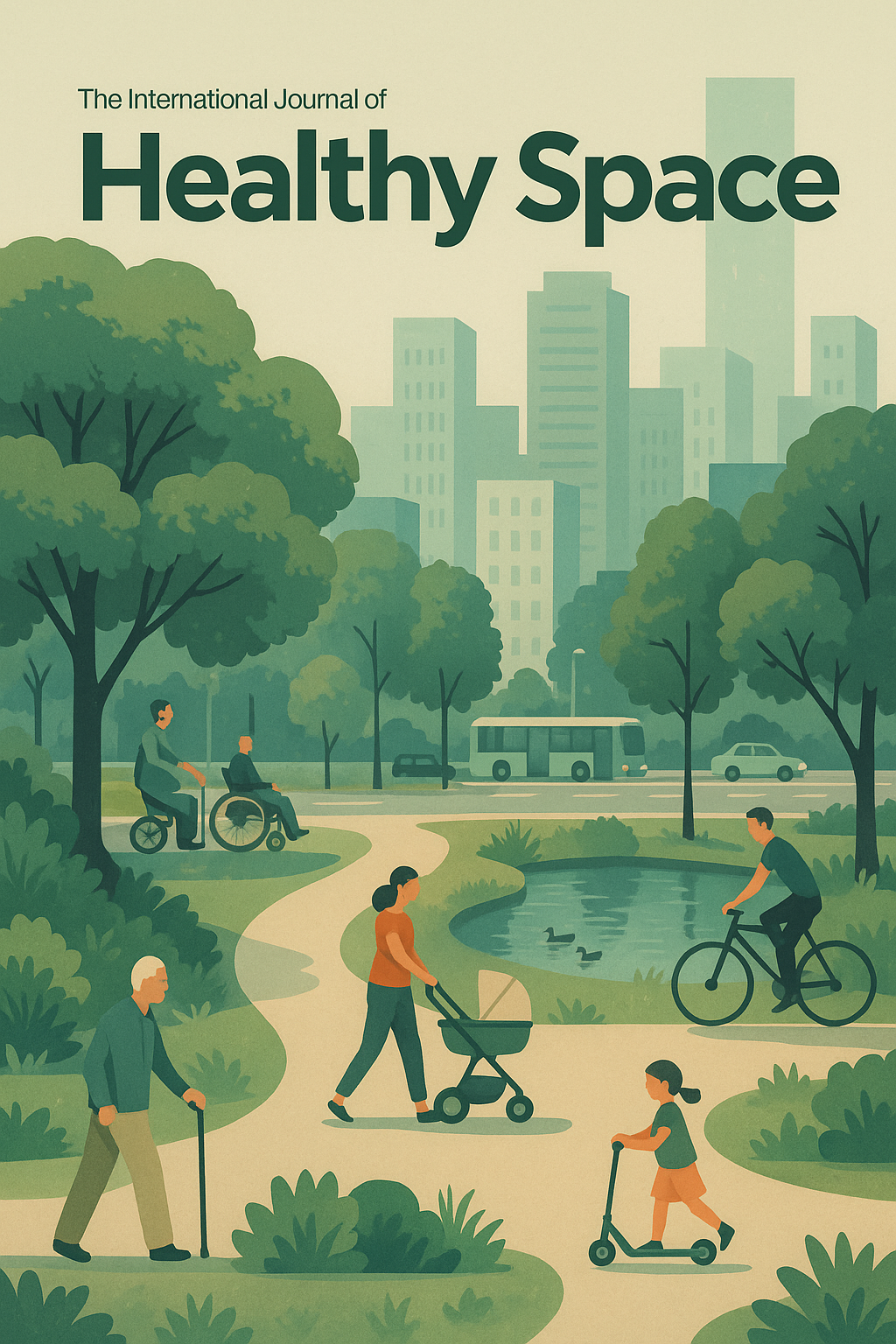
Healthy Places in the Anthropocene:Rethinking Human Health in an Era of Ecological Crisis
DOI:
10.67164/8t8rz715Issue:
Vol. 1 No. 1 (2026): 2026 Issue 1Articles
Downloads
How to Cite
Downloads
Abstract
The dominant paradigms through which human health is conceptualised and studied are no longer fit for purpose. While decades of research have established the health benefits of natural spaces, this body of work remains largely embedded within an anthropocentric framework that treats nature as an external input to human wellbeing rather than a system of which humans are an integral part. At the same time, humanity faces converging crises of climate change, biodiversity loss, and widening health inequalities – crises that are deeply interconnected and rooted in a systemic disconnection between human societies and ecological systems. This paper argues that addressing these challenges requires more than incremental advances in evidence; it demands a fundamental redefinition of human health. I propose that health should be understood as an emergent property of dynamic interactions between humans and the ecological systems of which they are a part, operating within planetary boundaries. Building on this premise, the paper identifies key research gaps for the coming decade, including mechanistic understanding of biodiversity–health pathways, integration of ecological and health data, methodological innovation, and the incorporation of justice and equity considerations. It further highlights the central role of urban systems and spaces as leverage points for transformation. Redefining human health is not merely conceptual – it is a necessary step to align science, governance, and societal development with the conditions required for both human and planetary flourishing.
Author Biography
Matilda van den Bosch
ISGlobal, Barcelona, Spain
Universitat Pompeu Fabra (UPF), Barcelona, Spain
CIBER Epidemiología y Salud Pública (CIBERESP)
European Forest Institute, Biocities facility, Rome, Italy
University of British Columbia, School of Population and Public Health, Vancouver, Canada